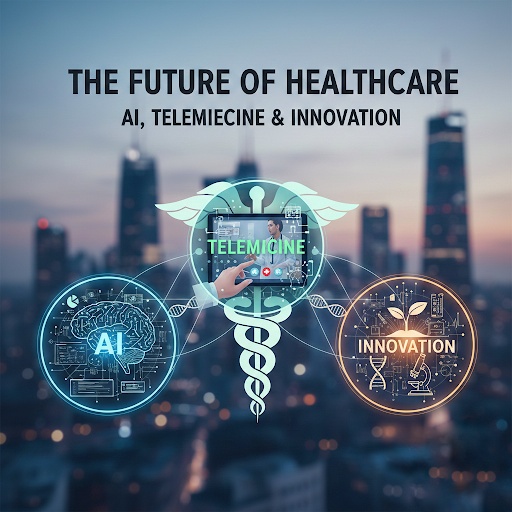

Did you know that an estimated 30–40% of healthcare spending is wasted due to inefficiencies, avoidable complications, and administrative friction—yet health innovation is reducing that gap every year? From AI-driven diagnostics and precision medicine to virtual care, wearables, and decentralized clinical trials, the most impactful health innovation topics are reshaping how care is delivered, financed, and experienced. In this comprehensive guide, you’ll learn what’s trending now, why it matters, where the evidence stands, and how to take action—whether you’re a clinician, startup founder, payer, policymaker, or patient advocate. We’ll explore cutting-edge technologies, real-world case studies, business models, regulatory shifts, and practical strategies for deploying health innovation responsibly. By the end, you’ll have a clear roadmap for navigating the rapidly changing landscape of healthcare innovation with confidence and purpose.

Source: www.canva.com
Table of Contents
-
-
-
- Why Health Innovation Matters Now
- Top Health Innovation Topics in 2025
- AI in Healthcare: From Hype to Safe, Scalable Impact
- Precision Medicine and Genomics
- Virtual Care, Telehealth, and Hybrid Care Models
- Wearables and Remote Patient Monitoring (RPM)
- Digital Therapeutics (DTx) and Behavioral Health Innovation
- Interoperability, Data Standards, and Health Data Ownership
- Value-Based Care and Payment Innovation
- Pharmacy Innovation: Specialty, Biosimilars, and Home Delivery
- Clinical Trials Innovation: Decentralization and Real-World Evidence
- Hospital-at-Home and Advanced Care at Home
- Cybersecurity, Privacy, and Trust
- Health Equity, Ethics, and Human-Centered Design
- Implementation Roadmap: How to Pilot, Scale, and Measure Innovation
- Case Studies: What Success Looks Like
- FAQs
- Conclusion and Next Steps
-
-
Source: replacingrisk.com
Why Health Innovation Matters Now
Healthcare faces converging pressures: aging populations, workforce shortages, rising chronic disease, and increasing patient expectations for convenience and price transparency. At the same time, we have unprecedented tools—AI, synthetic biology, continuous sensors, and interoperable data systems—that can bend the cost curve while improving outcomes.
Key takeaway: Health innovation is no longer optional; it’s a strategic imperative to improve care quality, equity, access, and sustainability.

Top Health Innovation Topics in 2025
- AI-enabled diagnostics, documentation, and clinical decision support
- Genomics, pharmacogenomics, and precision oncology
- Telehealth, asynchronous care, and hybrid care pathways
- Wearables, continuous glucose monitoring (CGM), and remote patient monitoring
- Digital therapeutics for diabetes, insomnia, ADHD, and mental health
- Interoperability initiatives (FHIR APIs, TEFCA) and patient data rights
- Value-based care contracts and risk-sharing models
- Pharmacy innovation: biosimilars, specialty pharmacy, and home infusion
- Decentralized clinical trials and real-world evidence generation
- Hospital-at-home programs and advanced care at home
- Cybersecurity frameworks for resilient health systems
- Equity-first design and algorithmic fairness in digital health

AI in Healthcare: From Hype to Safe, Scalable Impact

Where AI Delivers Value Today
- Ambient clinical documentation and scribing to reduce burnout
- Imaging triage and interpretation (radiology, cardiology, dermatology)
- Risk stratification, readmission prediction, and care gap closure
- Prior authorization automation and revenue cycle optimization
- Patient engagement chatbots and symptom checkers with escalation rules
Safety, Governance, and Regulation
- Establish AI governance boards with clinical, legal, data science, and patient representation
- Adopt model documentation: intended use, training data, limitations, and monitoring plans
- Implement bias audits and performance metrics segmented by demographic groups
- Use human-in-the-loop for high-impact decisions and maintain clear override policies
Implementation Tips
- Pilot in low-risk workflows (documentation assist) before moving to decision support
- Integrate with EHR via FHIR APIs; measure time saved, note quality, and clinician satisfaction
- Negotiate outcome-based vendor contracts tied to measurable KPIs
Quote: “AI succeeds in healthcare when it augments clinicians, not when it attempts to replace them.”
Precision Medicine and Genomics
Applications With Clinical Momentum
- Oncology: tumor sequencing to guide targeted therapies and immunotherapy
- Pharmacogenomics: genotype-informed prescribing to reduce adverse drug events
- Rare disease diagnosis: whole exome/genome sequencing that shortens diagnostic odysseys
- Non-invasive prenatal testing and carrier screening with genetic counseling
Operational Considerations
- Embed genetic counselors into clinics and tele-genetics workflows
- Build consent and data stewardship processes; plan for family implications of results
- Use clinical decision support to surface gene–drug interactions at the point of prescribing
Virtual Care, Telehealth, and Hybrid Care Models
Telehealth stabilized after its pandemic surge, evolving into hybrid care. The winning models combine synchronous video, asynchronous messaging, and in-person services.
Best-Fit Use Cases
- Behavioral health, chronic care management, dermatology, and follow-ups
- Virtual-first primary care with local labs, imaging, and referral networks
- Specialty e-consults to reduce unnecessary referrals and wait times
Quality and Access
- Standardize protocols and clinical pathways across modalities
- Address digital divide with device lending, language support, and SMS-based options
- Measure access metrics: time-to-appointment, no-show reduction, and patient experience
Wearables and Remote Patient Monitoring (RPM)
What’s Working
- Cardiac: remote ECG, heart failure weight monitoring, and arrhythmia detection
- Metabolic: CGMs for diabetes and metabolic health programs
- Respiratory: home spirometry and pulse oximetry with AI trend detection
Program Design
- Define eligibility and escalation thresholds; use nurse care managers for triage
- Focus on adherence: simple devices, patient education, and alerts that matter
- Align reimbursement (RPM/CCM codes) and contracts with measurable outcomes
Digital Therapeutics (DTx) and Behavioral Health Innovation
Digital therapeutics deliver evidence-based interventions via software, often for chronic conditions and mental health. Real-world adoption hinges on clinical validation, usability, and payer coverage.
Priority Areas
- CBT-based programs for insomnia, anxiety, depression
- Diabetes prevention and weight management with human coaching
- Substance use disorder support with contingency management
Buying Criteria for DTx
- Peer-reviewed evidence with clinically meaningful endpoints
- Regulatory status and data privacy safeguards
- Integration with EHR and care team workflows
Interoperability, Data Standards, and Health Data Ownership
Why It Matters
Fragmented data fuels medical errors and redundant testing. Interoperability makes coordinated care, AI, and population health feasible.
What to Implement
- FHIR-based APIs and event notifications for real-time care coordination
- Participate in national exchange frameworks and designate a data steward
- Enable patient access via app-based APIs and plain-language consent
Data Quality and Governance
- Adopt a master patient index and standard terminologies (SNOMED, LOINC, RxNorm)
- Define data provenance, auditing, and retention policies
- Use role-based access and zero-trust network principles
Value-Based Care and Payment Innovation
Payment models are shifting from fee-for-service to outcomes-based contracts. Innovation thrives when incentives reward prevention and coordination.
Mechanisms
- Shared savings/risk in accountable care arrangements
- Bundled payments for episodes like joint replacement or maternity
- Per-member-per-month models for virtual-first care
Capabilities Required
- Attribution, risk stratification, and care management analytics
- Network design with high-value specialists and post-acute partners
- Member engagement via omni-channel communication
Pharmacy Innovation: Specialty, Biosimilars, and Home Delivery
Trends to Watch
- Growth in specialty drugs and cell/gene therapies
- Biosimilar adoption driving cost savings in oncology and immunology
- Home infusion and cold-chain logistics enabling care outside hospitals
Strategies
- Implement prior authorization automation with clinical policies embedded
- Use outcomes-based agreements for high-cost therapies
- Monitor medication adherence with digital tools and pharmacist-led outreach
Clinical Trials Innovation: Decentralization and Real-World Evidence
Decentralized Clinical Trials (DCTs)
- Remote consent, tele-visits, home nursing, and wearable data capture
- Improves recruitment diversity and retention; reduces site burden
Real-World Evidence (RWE)
- Leverage EHR, claims, and registry data for post-market surveillance
- Use common data models and transparent methods to ensure validity
Hospital-at-Home and Advanced Care at Home
Hospital-at-home programs deliver acute-level care in patients’ homes with remote monitoring, home visits, and rapid-response teams. Benefits include lower infection risk, higher satisfaction, and cost savings.
Operational Essentials
- Clear inclusion criteria and rapid escalation pathways
- 24/7 command center for monitoring and logistics
- Partnerships with EMS, labs, imaging, and pharmacy for same-day services
Cybersecurity, Privacy, and Trust
Healthcare is a top target for ransomware and data breaches. Innovation requires resilient security practices.
Core Practices
- Zero-trust architecture, multi-factor authentication, and least-privilege access
- Regular phishing simulations and incident response tabletop exercises
- Vendor risk management with third-party security attestations
Health Equity, Ethics, and Human-Centered Design
Technology alone doesn’t guarantee better health. Equity-first design ensures innovations reach and serve all populations.
Build for Equity
- Co-design with patients and communities; compensate participants
- Localize content for language and culture; prioritize accessibility
- Measure outcomes by demographic groups; publicly report progress
Key takeaway: Ethical, human-centered innovation earns trust and improves outcomes sustainably.
Implementation Roadmap: How to Pilot, Scale, and Measure Innovation
- Define the problem and success metrics (clinical, operational, financial)
- Map stakeholders and governance (executive sponsor, clinical champion, data steward)
- Select vendors via structured RFP with security and interoperability requirements
- Design a pilot with clear inclusion criteria, training, and change management
- Measure outcomes with pre/post analysis and control groups where feasible
- Plan scale-up with budget, integration, and workforce implications
- Communicate results transparently and iterate based on feedback
KPIs to Track
- Clinical: mortality, readmissions, control of chronic conditions
- Operational: length of stay, time-to-appointment, documentation time
- Financial: total cost of care, avoided ED visits, ROI/payback period
- Experience: patient NPS, clinician burnout scores, access equity
Case Studies: What Success Looks Like
1) AI Ambient Scribing in Primary Care
- Setting: Multisite clinic with high clinician burnout
- Intervention: Ambient AI scribe integrated with EHR
- Results: 6 minutes saved per visit, 30% reduction in after-hours documentation, improved note quality, ROI in 8 months
- Lesson: Start with willing champions; standardize prompts and review protocols
2) RPM for Heart Failure
- Setting: Community hospital network
- Intervention: Daily weight, BP monitoring; nurse-led escalation
- Results: 25% reduction in 90-day readmissions, high patient satisfaction
- Lesson: Tight thresholds and engagement scripts matter more than device brand
3) Virtual Behavioral Health Access
- Setting: Employer-sponsored health plan
- Intervention: Virtual-first therapy with stepped care
- Results: Median wait time down from 28 to 5 days; PHQ-9 improvements in 8 weeks
- Lesson: Asynchronous support plus clinician oversight scales capacity safely
4) Pharmacogenomics in Cardiology
- Setting: Academic medical center
- Intervention: Genotype-guided anticoagulant selection
- Results: Fewer adverse drug events and reduced length of stay
- Lesson: Point-of-care CDS can translate genomics to action without burden
FAQs
What are the most impactful health innovation topics right now?
AI-assisted clinical workflows, precision medicine, hybrid virtual care, RPM, digital therapeutics, interoperability, value-based care, DCTs, and hospital-at-home programs lead the pack.
How do we avoid bias in health AI?
Use diverse training data, run subgroup performance tests, implement human oversight, document model limitations, and monitor continuously in production.